
Parkview Health Logo

Cancer Risk Reduction & Genetics Clinic

When it comes to fighting cancer, knowledge is power

At the Parkview Packnett Family Cancer Institute, we want to help you reduce your risk of developing cancer. That’s why we created the Cancer Risk Reduction & Genetics Clinic.

Our expert medical team provides specialized care for those at higher risk of developing cancer. Here’s how it works:

  • We conduct a comprehensive cancer risk assessment to help you understand your risk factors. This includes learning about your family history and—when appropriate—recommending genetic testing.
  • If it’s possible to lower your risk, we work with you to do so. Strategies can include nutrition plans, exercise programs, smoking cessation, and other health improvements. For some people, lowering risk can also include preventive surgery and other procedures.
  • We tailor a cancer screening plan that fits your needs.

We use Parkview’s full range of cancer-fighting capabilities—from cutting-edge genetic testing to world-class specialists—to create a treatment plan that works for you. We also work together with your primary care provider to optimize your plan. And throughout the process, you’ll experience the compassionate care you’ve come to expect from Parkview.

If you have an elevated risk of developing cancer and you’re ready to take a proactive approach, we’re here to help.


Call 833-724-8326 to schedule an appointment.

FAQs

Where is the clinic located?

The Cancer Risk Reduction & Genetics Clinic

10620 Corporate Dr., Suite A

Fort Wayne, IN 46845

Get directions

What services do you offer?

Your care plan will be personalized for your unique needs, but common tactics include the following:

  • Complete cancer risk assessments
  • Genetic counseling and testing when appropriate
  • Galleri multicancer blood tests
  • A personalized plan for cancer screening and risk reduction
  • Smoking cessationweight managementnutrition, and exercise programs
  • Collaboration, coordination, and communication with your primary care provider
How do I gather my family history for my cancer risk assessment?

The American Cancer Society recommends talking with your close relatives:

  • Parents
  • Siblings
  • Aunts and uncles
  • Cousins
  • Grandparents

It’s best to gather information going back three generations, but if that’s not possible, two generations’ worth of information is helpful.

Consider asking questions like the following:

  • Have you ever been diagnosed with cancer?
    • If so, what kind of cancer were you diagnosed with?
    • How old were you when you were diagnosed with cancer?
  • Have you ever been told you have a condition that could increase cancer risk?
  • Have you ever talked to a genetic counselor or had genetic testing? If so, what were the results?

Remember that not everyone may be comfortable sharing personal health information, and there’s no way to guarantee you’ll avoid cancer. But every piece of information you provide could help you—and even future generations—work on risk reduction.

Do I need a referral?

Referrals from primary care providers are accepted but not required.

To schedule an appointment with us, call 833-724-8326 and ask for the Cancer Risk Reduction & Genetics Clinic.

Meet our team

Our multidisciplinary team of specialists includes the following:

  • Physicians
  • Advanced practice providers
  • Exercise physiologists
  • Physical therapists
  • Social workers
  • Financial counselors
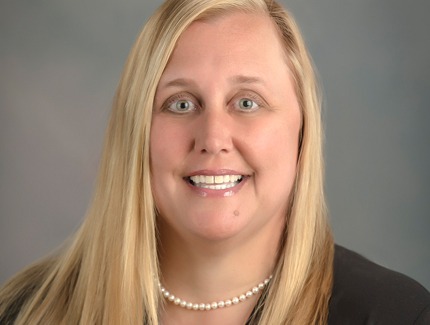
photo of Ellen Szwed, DO

Ellen Szwed, DO

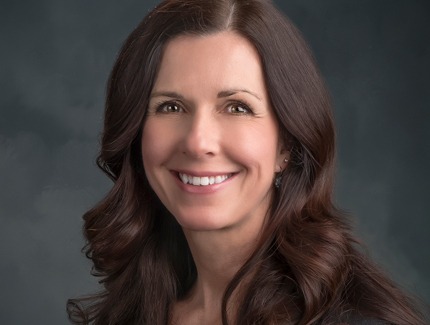
photo of Terah Bautista, NP

Terah Bautista, NP

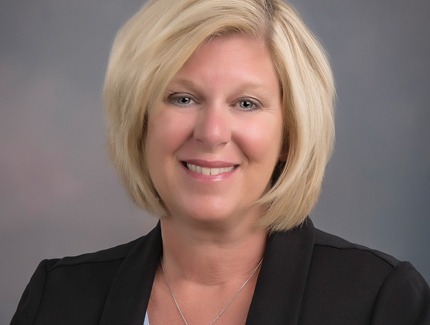
photo of Lesa Crawford, NP

Lesa Crawford, NP

photo of Breck Hunnicutt, NP

Breck Hunnicutt, NP

Genetic counseling

Some families have an increased risk for certain cancers. We can connect you with genetic counselors to help you understand your family history and walk you through the genetic testing process.

Get more info about genetic counseling

Cancer care teams

At Parkview, we take a unique approach to your care. You’ll work with a team of specialists who’ve been trained to treat your specific type of cancer.

Learn about our team-based approach

Nutrition

Certain foods can help reduce your chance of developing cancer. We’re ready to help design a diet just for you and your cancer journey.

Learn about oncology nutrition

DNA Insights

Learn more about your health  and help improve healthcare for you and your family.

Find out how
Orange Curve Green Curve