Dedicated to women’s and men's pelvic health
We know that conversations about pelvic pain, bowel and bladder issues, sexual function and phase of life changes can be difficult. You may be wondering if these issues are something you have to live with, or if help is available.
Parkview’s pelvic health specialists are ready to listen and partner with you to improve the pelvic conditions impacting your daily life. We believe that with quality education, targeted physical therapy and healthy lifestyle tools, we can help you feel your best and equip you for wellness long after therapy is completed.
Our physical therapists have specialized training to help you overcome these concerns:
- Bladder dysfunction, including incontinence, urgency/frequency, retention and pain
- Bowel dysfunction including constipation, fecal incontinence and pain
- Pelvic organ prolapse
- Pelvic pain including endometriosis, sacral and coccyx pain, painful intercourse, vulvodynia, neuralgia, abdominal pain, hip pain and scar restrictions
- Post-surgical rehabilitation including hysterectomy, prolapse repairs, prostatectomy and laparoscopy
- Gynecological, colorectal and prostate cancer rehabilitation
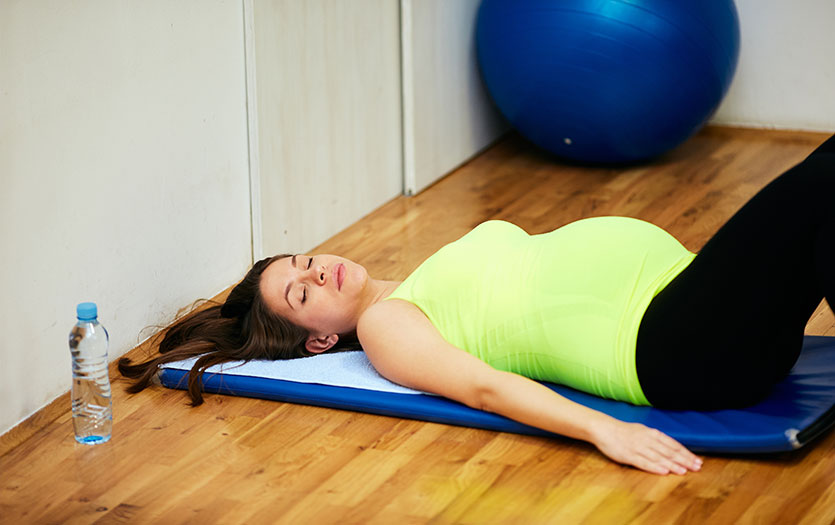
- Prenatal and postpartum dysfunction including pain, incontinence, diastasis recti and weakness
- Sports-related conditions for male and female athletes
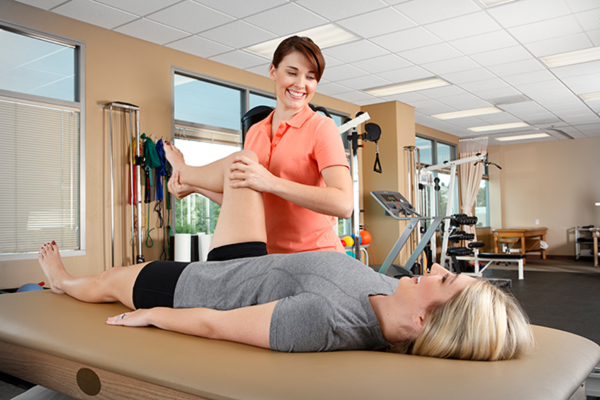
Pelvic physical therapy services are provided by a team of specialized pelvic health physical therapists in a comfortable, private setting. They include a comprehensive musculoskeletal examination and individualized treatment plan. In addition to education, home exercise programs, and manual techniques, assessment and treatment may involve use of real-time ultrasound, EMG/biofeedback, electrical stimulation, cupping and other tools for soft tissue mobilization, taping and bracing.