
Fatigue, nausea and cramping in the days leading up to the start of the menstrual cycle may leave you feeling sluggish and depleted, making exercise less than desirable. However, gentle movement during this phase of your cycle can help reduce inflammation and improve premenstrual symptoms. In this post, Dr. Beau Links, PPG - Family Medicine of Grabill, explains how exercise can support symptom relief and what types of movement may be most helpful.
Prevalence of symptoms
Premenstrual syndrome (PMS) is a combination of physical and emotional symptoms that occur in women one to two weeks before the start of their menstrual cycle. Frequently reported symptoms include:
-
irritability
-
water retention
-
weight gain
-
breast tenderness
-
abdominal cramps
-
mood swings
According to research, approximately:
-
80% of woman experience PMS symptoms, but only about half of those discuss their symptoms with their physician and seek treatment.
-
21% of adolescent women report missing at least one day of school per month.
-
64% of adult women report missing 1-2 days of work due to the severity of their PMS symptoms.
What's happening in the body
PMS is an inflammatory condition. During PMS, prostaglandin production increases. The higher a woman’s prostaglandin levels, the higher her inflammation. When prostaglandins are produced in the uterine lining, they cause muscle contractions and blood vessel narrowing, which induce the uterus to shed its lining. This process is otherwise known as "cramps". Additional pro-inflammatory substances, such as TNF-alpha, cytokines and C-reactive protein, are also elevated during PMS.
The solution
According to American College of Obstetrics and Gynecologists, “exercise is recommended to reduce the severity and duration of PMS symptoms”.
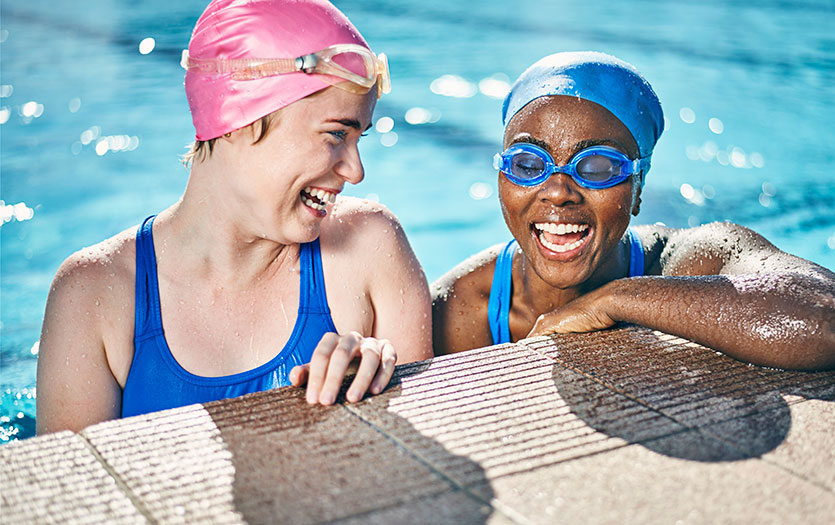
Aquatic exercise, in particular, is very effective for reducing inflammation and helping muscles relax. It can also relieve joint and muscle pain, improve circulation, decrease swelling and reduce PMS symptoms.
Examples of aquatic exercise include swimming, walking and resistance training with aquatic weights. Aquatic exercise has been shown to reduce headaches, fatigue, anxiety, depression, cramping and nervous muscular tension in patients who suffer from PMS.
Other forms of similarly beneficial movement include:
Final thoughts
Exercise is an effective and natural intervention for managing inflammation and PMS symptoms. If your symptoms are disrupting school, work or daily living activities, speak with your primary care provider or gynecologist about treatment options.
Remember, the path to health is walked, not paved. Let’s get after it.