In a recent report published by Pew Research, when asked, most aging adults said that they would prefer to "age in place" or grow older in their home as opposed to an assisted living or skilled nursing facility. However, many also fear this won't be an option. In this post, Dr. Dona Uncheselu, Palliative Care, offers a candid appraisal of the barriers elderly adults and their families may face and suggests practical tools to help make this living arrangement more accessible.
What are the most common challenges you see with patients who want to age in place?
To age in place safely, a multitude of aspects must be addressed. Staying in one's home in their advanced years is, in part, about preserving quality of life and independence. For older adults living alone or with their partner, even the environment where they feel most comfortable can pose safety risks.
Aging in place may require making changes to your home so that it is easy to continue functioning with minimal assistance. This isn't limited to:
-
Ensuring hallways, doorways and walkways are wide enough to accommodate a walker or a wheelchair.
-
Installing grab bars in the bathroom.
-
Improving lighting throughout the home.
-
Reducing tripping hazards.
In some cases, modifications in the living environment aren't enough to ensure safety, especially for individuals living with complex medical conditions or mobility challenges.
Caregiver availability is another significant barrier to aging in place. A full-time paid caregiver is not financially feasible for most retirees or those on a fixed income. As a result, older adults must rely on family, friends or other community resources to help bridge the gap in care needs.
Taking on new caregiving responsibilities does not always transition seamlessly into their already established lives. It may require making adjustments to their work schedule, living arrangements or personal time. Primary caregivers may even neglect their own health to care for their loved one.
Aging adults and their loved ones or anticipated caregivers should address these realities and many more when considering whether aging in place is sustainable and supports the well-being of all involved. Healthy aging in place should not come with isolation or sacrifices. There are numerous community resources dedicated to helping families navigate these challenges and more. Contact your local Area Agency on Aging (AAA) network for additional guidance.
How can patients’ families who live long-distance best support their loved ones who are aging in place?
Aging in place and living alone can increase the risk of social isolation among older adults. They may leave the home less frequently due to changes in routine after retirement, physical mobility limitations or living farther away from immediate family or friends.
However, staying in contact while living an hour or more away from your elderly family member has become less distressful due to rapidly advancing technologies. Here are some tools that can help maintain safety in the home and connection when you can't be closeby:
-
Schedule regular video calls to help reduce feelings of isolation.
-
Use internet-connected cameras or home monitoring systems that provide a 24/7 live feed to increase the loved one's safety.
-
Consider fall detection and medical alert gadgets.
-
Use GPS tracking devices or apps when appropriate.
-
Arrange for grocery, meals or medication delivery online.
-
Help manage bills and banking online.
-
Use telemedicine services and secure proxy or HIPAA authorizations to participate in health conversations.
-
Set automated alarms for vital checks, regular movement, hydration and medication reminders.
These technologies and services can't replace human support, but they can help make managing daily tasks easier for aging adults and their loved ones near or far.
In your professional experience, what are the benefits of using a medical alert device?
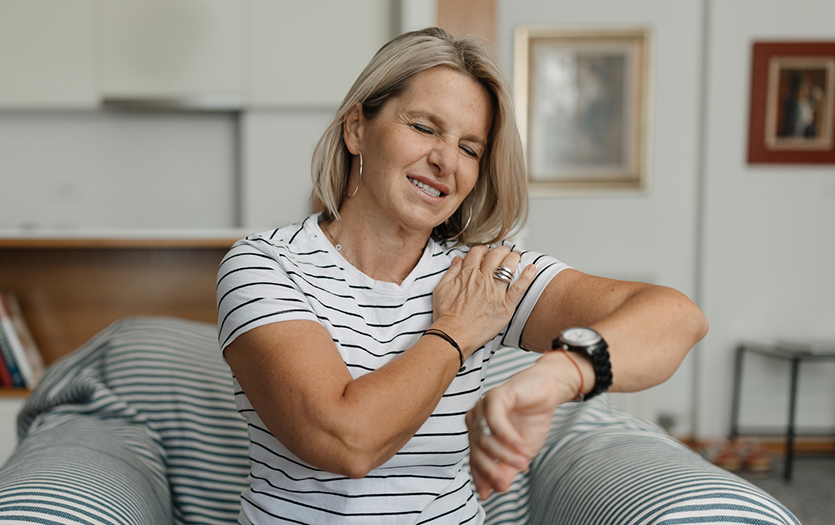
A medical alert device can have multiple functions such as detecting a fall, blood sugar fluctuations or irregular heartbeat.
For example, a medical alert device that allows 24/7 direct visual supervision and provides timely verbal cues could reduce the risk of falls or unintentional accidents. A fall alert device can notify emergency services and caregivers if the loved one has a fall. In this case, it will not prevent the fall, but it can ensure more timely intervention.
I recommend a medical alert device to all people living alone who have difficulty with ambulation, have a moderate to high risk for falls or are diagnosed with moderate to advanced dementia, patients with diabetes or certain cardiac conditions.
Final thoughts
One thing that I believe is overlooked is not valuing our elders enough. Our culture of values has moved away from appreciating the wisdom, the love and the life experience that seniors bring. We should learn again to respect and honor them, and help them not feel like a burden in our fast and tumultuous society.