Falls are common among older adults, with serious consequences including fractures, head injuries and loss of autonomy. Age-related decline in balance, muscle strength, reflexes and sensory functions, compounded by chronic illnesses such as diabetes, arthritis or Parkinson’s disease, elevates fall risk. Environmental hazards alongside medication side effects further exacerbate this risk. Recognizing these factors is essential for implementing effective prevention strategies.
Exercise and physical activity
Engaging in regular, targeted exercise is fundamental to reducing fall risk. Physical activities improve muscular strength, flexibility, balance and endurance. Recommended interventions include:
-
Balance exercises: Tai chi, heel-to-toe walking, single-leg stands.
-
Strength training: Resistance bands, chair squats, wall push-ups, light weightlifting.
-
Flexibility and aerobic activity: Yoga, walking, water aerobics, cycling.
Even 20–30 minutes of tailored exercise several times per week can yield significant improvements in stability, coordination and confidence.
Home safety modifications
A senior’s environment plays a crucial role in fall prevention. Key modifications are:
-
Eliminate clutter, loose rugs and cords from walkways.
-
Install grab bars in bathrooms and use non-slip mats in tubs.
-
Ensure adequate and motion-activated lighting in hallways and stairways.
-
Secure handrails and consider ramps or chair lifts for mobility challenges.
-
Keep daily necessities within easy reach to avoid risky stretching or climbing.
Medication and health management
Regular review of prescriptions and over-the-counter medications is critical for identifying agents that increase fall risk. Seniors should:
-
Discuss potential side effects like dizziness with a primary care provider.
-
Schedule routine vision and hearing evaluations.
-
Maintain bone health through calcium, vitamin D, proper nutrition and hydration.
-
Monitor blood pressure and blood glucose to prevent dizziness and fainting.
-
Ensure sufficient sleep, limit alcohol intake and manage chronic diseases effectively.
Assistive devices and proper footwear
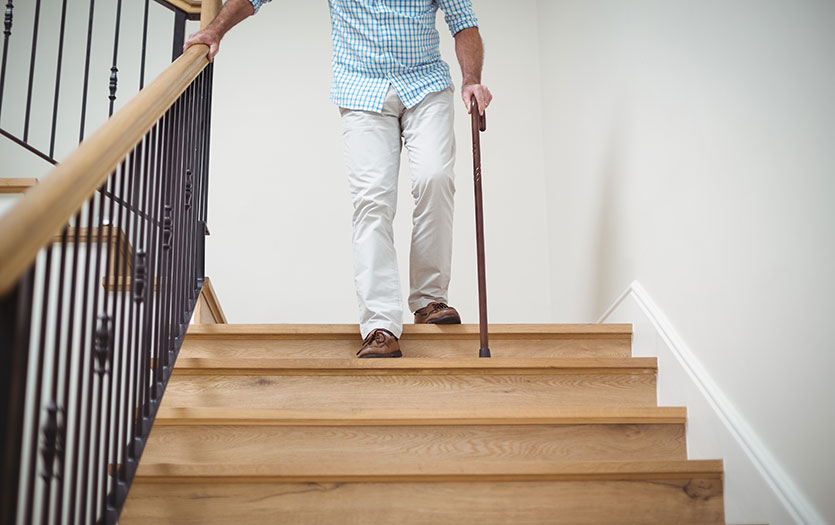
Mobility aids such as canes, walkers or orthotic footwear can significantly improve stability. To maximize safety:
-
Ensure devices are professionally fitted and regularly maintained.
-
Select footwear that provides support and non-slip soles; avoid loose slippers or floppy shoes.
Technology and fall detection
Modern technology can enhance preventative efforts and provide early alerts:
-
Wearable devices with fall detection, including smartwatches or alert pendants, notify caregivers or emergency services.
-
Smart home sensors track movement, detect hazards or monitor gait changes.
-
Smart lighting ensures visibility in low-light scenarios.
-
Smart insoles and balance scales provide ongoing feedback on stability and gait patterns.
Emergency planning
Despite comprehensive prevention strategies, falls may occur. Seniors should have:
-
Easy access to phones or medical alert systems.
-
Knowledge of safe techniques for rising after a fall.
-
A pre-established plan to contact family, neighbors or emergency services in urgent situations.
Conclusion
Falls among seniors are largely preventable through systematic, evidence-based interventions, and prevention is most effective when strategies are integrated. A multifactorial approach combines:
-
Physical activity and exercise programs
-
Environmental adaptations and home safety measures
-
Medical and pharmacological management
-
Assistive devices and appropriate footwear
-
Technology-driven monitoring and alerts
-
Education and social support systems
Healthcare providers may conduct individualized fall risk assessments to tailor these interventions to each senior’s specific needs. Implementing these strategies promotes safe aging and public health.
References
-
Centers for Disease Control and Prevention. (2021). Important Facts about Falls. Retrieved from https://www.cdc.gov/falls
-
Sherrington, C., et al. (2019). Exercise for preventing falls in older adults: An updated systematic review and meta-analysis. British Journal of Sports Medicine, 53(2), 140–148.
-
Lord, S.R., Sherrington, C., & Menz, H.B. (2020). Falls in Older People: Risk Factors and Strategies for Prevention (3rd ed.). Cambridge University Press.
-
Clemson, L., et al. (2012). Integration of exercise and home safety programs for older adults: A multifactorial approach. Journals of Gerontology: Series A, 67(12), 1353–1362.