This post was written by Caleb Hoppe, PharmD, BCCCP, Pharmacy, Parkview Health.
Many people have to stop taking a medication at one time or another in their lives; maybe because they’re having undesirable side effects, they feel it isn’t working, or they want to take fewer pills. These are all good reasons to start the conversation with your healthcare provider. However, not all medicines are safe to stop “cold turkey”, or all at once. Sometimes the dose needs to be adjusted over time, which is a process called "weaning off" or "tapering."
What does "weaning off" mean?
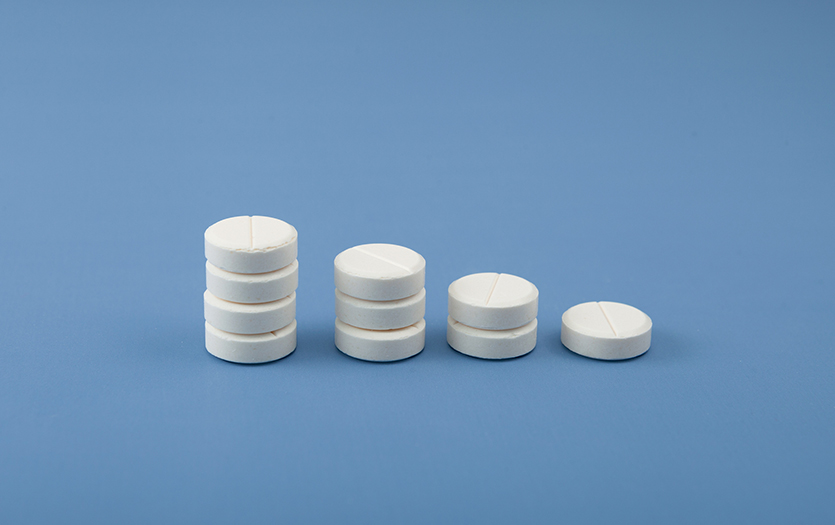
Weaning off means slowly lowering your dose over days, weeks or sometimes months. Your body can get used to a medicine when you take it for a while. If the medicine leaves your body too fast, your body can react. This reaction is called medication withdrawal. Weaning gives your body time to adjust, which makes medication withdrawal less likely and less severe.
Medicines that are most important to wean off slowly
Stopping these medicines suddenly can make you feel extremely sick. A few can even be dangerous. If you take any of these, do not stop on your own. Work with your healthcare provider on a plan to wean off the medication safely.
Heart and blood pressure medicines
-
Beta-blockers (like metoprolol or atenolol) and clonidine
-
Stopping too fast can cause a fast heartbeat, a quick rise in blood pressure or chest pain.
-
Anti-anxiety and sleep medicines
-
Benzodiazepines (such as lorazepam, alprazolam or clonazepam)
-
Stopping too fast can cause anxiety, trouble sleeping, and in serious cases, seizures.
-
Mental health medications
-
SSRIs and SNRIs (such as sertraline, paroxetine, venlafaxine or duloxetine)
-
Stopping fast can cause dizziness, headaches, flu-like symptoms, mood changes, and vivid dreams.
-
-
Mood stabilizers (such as lithium, olanzapine or ziprasidone)
-
Stopping lithium too quickly may cause mental health issues to rebound
-
Stopping olanzapine or ziprasidone too fast may cause nausea, vomiting, sweating, diarrhea, trouble sleeping or anxiety.
-
-
Opioids (oxycodone, hydrocodone, morphine or tramadol)
-
Stopping fast can cause sweating, nausea, vomiting, body aches, chills and trouble sleeping.
-
-
Such as prednisone, methylprednisolone or dexamethasone when taken for more than a couple of weeks.
-
Your body slows down its own natural steroid production while you take steroid pills. Stopping too fast can cause withdrawal because your body doesn’t have time to catch up. In serious cases, it can be life-threatening.
-
Seizure and nerve pain medicines
-
Such as gabapentin, pregabalin, levetiracetam or lacosamide
-
Stopping too fast can cause anxiety, sweating, trouble sleeping and a higher chance of seizures.
-
Medicines where weaning is usually less important
Many medicines do not cause withdrawal and can be stopped without weaning. Some common examples are:
-
Cholesterol medicines (such as atorvastatin or simvastatin)
-
Some diabetes pills (such as metformin)
-
Pain and fever relievers (such as ibuprofen, naproxen or acetaminophen)
-
Allergy pills (such as loratadine or cetirizine)
Even so, stopping these can still affect your health. Your cholesterol, blood sugar or blood pressure may slowly climb back up if the medicine was helping. So "no weaning needed" does not mean "stop without telling anyone." Instead, it means the way you stop the medication is usually less risky.
One special case: antibiotics
Antibiotics are not tapered, but they are also not meant to be stopped early. Take the full amount from your prescription, even if you feel better partway through. Stopping early can let the infection come back.
What you can do to stay safe
-
Keep a medicine list. Write down everything you take, including over-the-counter products and supplements. Bring it to every visit.
-
Ask before you stop. A quick call to your provider or pharmacist could prevent medication withdrawal.
-
Follow the plan. If you are given a taper schedule, try to follow it exactly. Skipping steps or speeding it up may cause withdrawal.
-
Speak up about side effects. If a medicine bothers you, there may be a safer dose or a different option.
Final thoughts
Stopping a medicine is not always as simple as it sounds. Some medicines need a slow, careful taper to keep you safe. Others can be stopped more easily but still deserve a conversation. The safest path is always the same: talk with your provider or pharmacist first. Together, you can make a plan that protects your health every step of the way.
For more information on pharmacy services, contact or visit a location near you.
References
Scott IA, Hilmer SN, Reeve E, et al. Reducing inappropriate polypharmacy: the process of deprescribing. JAMA Intern Med. 2015;175(5):827-834. doi:10.1001/jamainternmed.2015.0324
Pottie K, Thompson W, Davies S, et al. Deprescribing benzodiazepine receptor agonists: evidence-based clinical practice guideline. Can Fam Physician. 2018;64(5):339-351.
Warner CH, Bobo W, Warner C, Reid S, Rachal J. Antidepressant discontinuation syndrome. Am Fam Physician. 2006;74(3):449-456.
Horowitz MA, Taylor D. Tapering of SSRI treatment to mitigate withdrawal symptoms. Lancet Psychiatry. 2019;6(6):538-546. doi:10.1016/S2215-0366(19)30032-X
Dowell D, Ragan KR, Jones CM, Baldwin GT, Chou R. CDC clinical practice guideline for prescribing opioids for pain — United States, 2022. MMWR Recomm Rep. 2022;71(3):1-95. doi:10.15585/mmwr.rr7103a1
Beuschlein F, Else T, Bancos I, et al. European Society of Endocrinology and Endocrine Society joint clinical guideline: diagnosis and therapy of glucocorticoid-induced adrenal insufficiency. J Clin Endocrinol Metab. 2024;109(7):1657-1683. doi:10.1210/clinem/dgae250
Reimer C, Søndergaard B, Hilsted L, Bytzer P. Proton-pump inhibitor therapy induces acid-related symptoms in healthy volunteers after withdrawal of therapy. Gastroenterology. 2009;137(1):80-87. doi:10.1053/j.gastro.2009.03.058