This post was written by Ali Thomas, RDN, LD, food access food insecurity community outreach dietitian, Parkview Greenhouse and Learning Kitchen.
Autumn provides an abundance of seasonal foods that not only taste delicious, but also provides a wide range of health benefits, from improving heart health to keeping the immune system strong as colder weather arrives.
Enjoying the crops
The fall harvest of fruits and vegetables are ideal for cozy dishes like soups and roasted vegetables or incorporated into baked goods or even breakfast dishes such as oatmeal. Here is some seasonal produce that you should consider incorporating into your menu this fall.
- Butternut squash is flavorful and packed with nutrients. It’s rich in vitamin A, fiber and potassium, which can help support heart health and promote healthy vision. Enjoy butternut squash roasted, this brings out it’s natural sweetness and enhanced the creamy texture which then can be added to soups, salads or enjoyed as a side dish. (Try the tasty recipe below.)
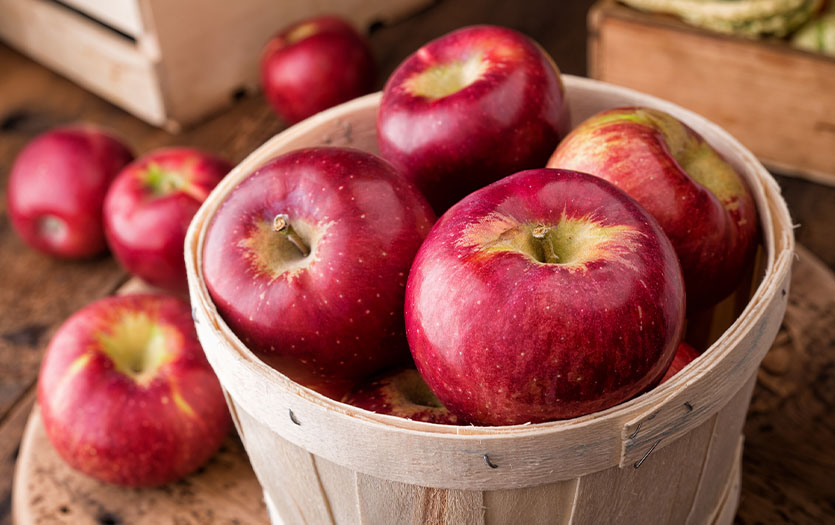
- Apples are a fall staple. They are high in fiber, rich in antioxidants like vitamin C, and can help support lowering cholesterol, regulating blood sugars and strengthen the immune system. Enjoy apples fresh or added to dishes such as desserts, baked into oatmeal or turned into homemade applesauce.
- Brussel sprouts are a cruciferous powerhouse. They are rich in vitamin C and K and other antioxidants essential to immune function and bone health. Enjoy roasted with some olive oil and seasonings of choice. Try the tasty recipe below.
- Sweet potatoes are packed with nutrients and natural sweetness. They are rich in beta-carotene which supports skin and eye health and is a great source of potassium. Enjoy sweet potatoes roasted, mashed or added to dishes such as soups and stews.
- Kale is one of the most nutrient-dense vegetables available in the fall. It’s rich in vitamin A, C and K, packed with antioxidants which helps support the immune system and reduce inflammation. It is also known to help enhance mood. Enjoy kale raw in a salad or smoothie or it can be sauteed as a side dish or added to enhances dishes such as soups or stews.
Upping your intake
Here are a few tips for incorporating more seasonal fall produce into your diet:
- Meal plan: Consider creating meals around the seasonal items you want to incorporate. Look for recipes that spotlight autumn fruits or vegetables.
- Explore new recipes: Searching for recipes can helps inspire what to do with the fall fruits and vegetables or enhance recipes you are already familiar with to boost the flavor and nutrients.
- Shop at your local farmers market for peak freshness and flavor while also supporting the local food system.
Seasonal food not only taste better but are also more accessible and affordable. Purdue Food Link and Indiana Grown are great sources to help navigate what additional fruits and vegetables are in season this fall.
Recipe
Maple Roasted Brussel Sprouts and Butternut Squash
1 pound Brussels sprouts, ends trimmed and sliced in half
1 pound butternut squash, peeled, seeded and cubed
3 tablespoons olive oil
4 tablespoons real maple syrup, divided
Salt and pepper, to taste
1 cup whole pecans
½ cup dried cranberries
1.Preheat oven to 425°F and spray a baking sheet with non-stick cooking spray.
2.In a large bowl, combine the Brussels sprouts, butternut squash, olive oil and 1 tablespoon of maple syrup. Toss to coat, then season with salt and pepper.
3.Spread evenly on the baking sheet and roast in the oven for 25 minutes or until tender and lightly browned. Remove from oven.
4.Add the roasted Brussels sprouts and butternut squash to a large bowl. Add pecans and dried cranberries and remaining 3 tablespoons of maple syrup. Gently toss to coat. Serve immediately.
Serves 6
Nutrition information
[Calories: 310; Total Fat: 19g; Saturated Fat: 2g; Total Carbohydrates: 35g; Dietary Fiber: 7g; Sugar: 19g; Protein: 5g]