
This blog post was written by Courtney Zimpfer, RDN, clinical dietitian, Parkview Weight Management.
Across social media, you may often hear catchphrases like “Boost your metabolism naturally!”, “Eat these fat-burning foods!" or “Speed up your metabolism by eating this food!” However, the truth behind these claims is a little bit more nuanced than fitness influencers may make it seem.
What is metabolism?
Your metabolism is the energy (calories) your body burns to keep you alive and functioning. This includes breathing, digestion, movement, and maintaining muscle and organ function. Most of the calories you burn day to day actually come from your body simply keeping you alive, not from exercise. Several factors influence metabolism, including age, body size, muscle mass, activity level, hormones, dietary intake and sleep.
Do certain foods boost metabolism?
Technically yes, but usually not in the drastic way most people think. Certain foods and drinks can slightly increase calorie burn, but only for a short time. Foods often linked to metabolism support include:
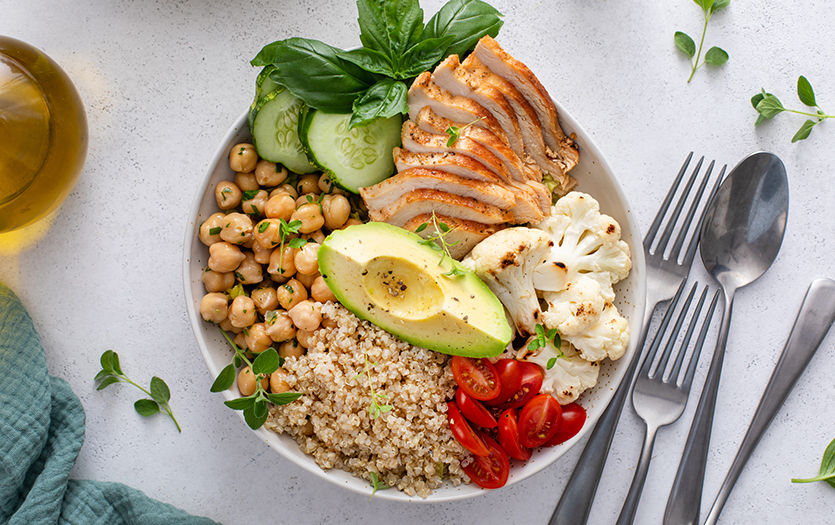
Protein: Protein-rich foods have been linked to metabolism support. Common sources include chicken, fish, eggs, Greek yogurt, cottage cheese and lean meats. Protein is also found in plant-based foods, though in lesser amounts, such as beans, lentils and tofu.
Protein has the highest thermic effect of food (TEF), meaning your body burns more calories digesting it compared to carbohydrates or fat. The main benefits of eating protein-rich foods include appetite management and support for muscle mass, immune system and cellular health.
Spicy foods: Foods containing capsaicin, like hot chili peppers, may cause a small temporary increase in metabolism. The effect is real, but very minimal.
Caffeine: Coffee and tea can temporarily increase energy expenditure and alertness. However, the body often adapts over time, reducing the effect.
Green tea: In addition to caffeine, green tea contains compounds that may slightly enhance fat oxidation. Again, the effect is moderate, not drastic.
What helps support metabolism?
Truthfully, there is no single food that dramatically increases metabolism enough to create a meaningful impact. However, these healthy habits establish a basis for optimizing your energy expenditure and overall well-being.
Building and preserving muscle: Muscle tissue burns more calories than fat tissue at rest. This is one reason why strength training, adequate protein intake and proper nutrition during weight loss are essential. Crash dieting and under-eating can sometimes contribute to muscle loss, which may negatively impact metabolism over time.
Eating enough protein: Protein is one of the most helpful nutrients for weight management because it helps maintain lean muscle, keeps you fuller longer, supports appetite regulation and has a higher thermic effect than other nutrients.
Daily movement: Regular exercise is important, but so is overall daily activity. Avoid remaining sedentary for more than an hour and increase activities like walking, intermittent standing or taking the stairs. Even general movement while doing chores counts towards your overall activity.
Consistency over extremes
One of the biggest mistakes people make is chasing quick fixes instead of sustainable habits. The most sustainable approach is usually:
-
Protein and fiber at each meal
-
Consistent and frequent movement
-
Long-term habits
Instead of asking what foods boost metabolism, consider what habits help support your body, energy, appetite and long-term health. This mindset shift often leads to much more sustainable long lasting success.
Ready to make a change?
Parkview Weight Management programming supports patients with a BMI greater than 30 or a BMI greater than 27 with a weight-related comorbidity. Whether you’re newly navigating weight loss or looking to refocus your efforts, we can help. To get started, call our office at 260-425-6390 to schedule a new patient appointment.