
This post was written by Gloria Martin, RDN, LD, Employer Solutions.
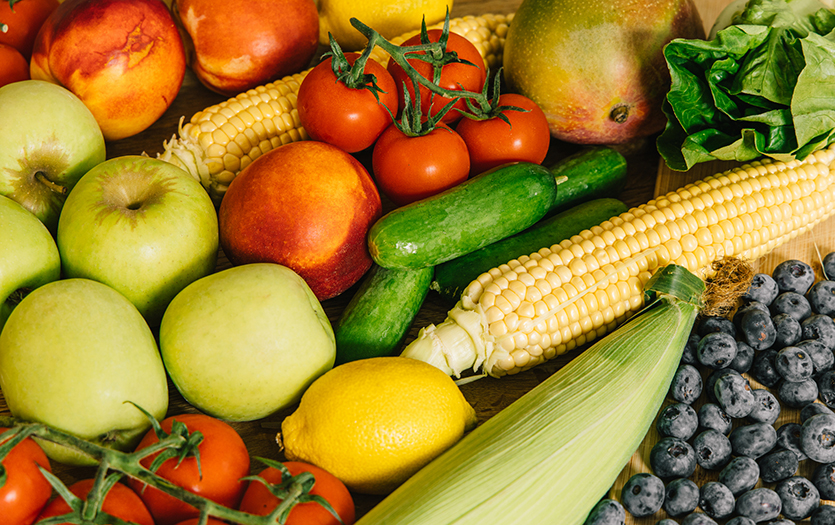
The farm stands and markets throughout Indiana and Ohio are in full swing. The abundance of fresh, locally grown fruits and veggies throughout this time of year may have you wondering about the advantages of a plant-based diet. In this post, we discuss what this dietary preference entails and what it offers.
Know your options
Plant-based eating isn’t one-size-fits-all. A few familiar diet types include:
-
A vegan diet eliminates all animal products (meat, fish, eggs, dairy).
-
A vegetarian diet removes meat and fish but may include eggs or dairy.
-
A pescatarian diet includes fish but skips other meats.
Some variations of this eating style may allow for more flexibility, permitting occasional small amounts of meat or the consumption of only eggs or just dairy. Others take a more restrictive approach, focusing on minimally processed plant foods and eliminating all meat and refined ingredients. It's a spectrum. Choose one that best supports your goals and lifestyle.
Benefits
One major advantage of opting for a plant-based diet is nutrient density. Plant foods like beans, lentils, fruits, vegetables, whole grains, nuts, and seeds are rich in fiber, vitamins and antioxidants. Fiber is especially important. It supports digestion, helps you feel full longer and can improve heart health and blood sugar control. Plant-based proteins also tend to be lower in saturated fat and calories compared to many animal proteins, which can support heart health and weight management.
That said, plant-based doesn't automatically mean healthy. Watch out for the “carbitarian” trap or relying too heavily on refined carbs like pasta, bread and processed vegan snacks while missing out on protein variety. A balanced approach should include protein-rich foods like beans, lentils, tofu, tempeh and quinoa.
Weight management
A plant-based diet can help aid in weight loss. High-fiber foods are filling and often lower in calories, but the results still depend on overall balance and portion sizes. Good news—you don’t have to go all in. Small changes like trying Meatless Mondays or adding a vegetarian meal once or twice a week can still offer benefits. Variety matters, and your body will thank you for it!
For more on plant-based diets, check out these posts from the Parkview Dashboard:
Transitioning to a plant-based diet – tips and tricks
The heart-protective benefits of whole-food plant-based eating
Digging into plant-based eating and the Mediterranean diet
How can I eat enough protein on a plant-forward diet?
Ten weeks to plant-powered eating – Week 1
Dishing on a four-week vegan experiment
Take the next step
If your employer offers Parkview Employer Solutions wellness services, you may have access to a Registered Dietitian Nutritionist who can help you build a nutrition plan that fits your lifestyle and health goals. Ask your Parkview Employer Clinic provider or Lifestyle Change Specialist about a referral to get started. Interested in offering these services to your employees? Email ParkviewEmployerSolutions@parkview.com or visit Parkview Employer Solutions website to learn more.