
In this new series, our PPG-Sleep Medicine providers offer professional perspectives on achieving more uninterrupted, refreshing sleep. In the installment, Amanda Schraeger, NP, explains the mechanics of common sleep apnea.
Obstructive sleep apnea is when you have an obstruction in your airway. Normally, this occurs when the muscles in your upper palate and your throat relax, as well as when your tongue relaxes and falls backwards.
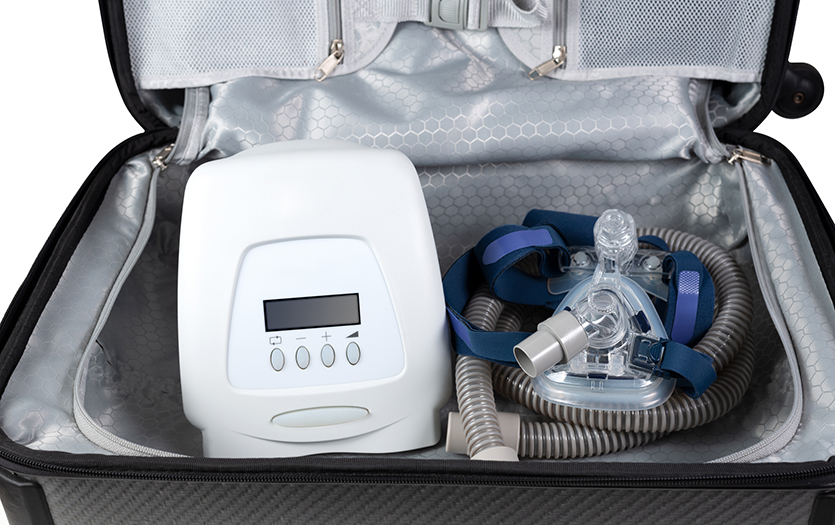
The gold standard treatment is positive airway pressure (CPAP Breathing Machine). You wear a mask that puts pressure into your oral cavity to keep your airway open. Other treatments would be an oral appliance that brings your jaw forward to give you a more open airway or an implant placed surgically. You can do positional therapy if your obstructions are occurring when you’re on your back, which includes wearing something that keeps you on your side during sleep. Weight loss can be helpful, but it won’t necessarily treat the sleep apnea completely.
To explore options, talk to your primary care provider about a referral to a Sleep Medicine provider.