Thomas Arend, RD, registered dietitian, Parkview Regional Medical Center, explains the balancing act of sodium intake.
Sodium is an essential electrolyte in everyone's diet. The problem for most Americans is that we get too much sodium, and once you surpass a certain amount in your diet, it starts to contribute to things like heart disease.
Limiting intake
Upon learning we overdo it on sodium, most people decide to just put down the saltshaker. But table salt (sodium chloride) is not the primary source of sodium in most American's diet. The majority of our sodium comes from things like eating out at restaurants and processed foods like TV dinners, frozen pizza, salty snacks and processed meats.
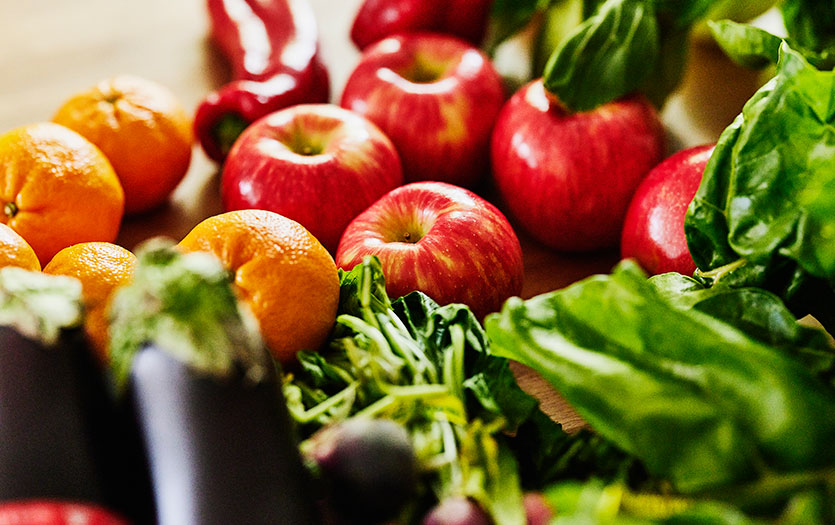
Transitioning to eating more real foods at home can do more to lower the amount of sodium in your diet and improve your heart health. And if you're eating more real foods, you're likely eating more fruits and vegetables, which contain another essential electrolyte: potassium. Eating more potassium is better for your heart health.
The balancing act
There is a time when you may need to increase the amount of sodium in your diet, and that's when you're losing sodium. The primary way people lose sodium is through sweat. If you're working out, outside, in the sauna, etc., you're losing a lot of sodium through your sweat, and that needs to be replaced with things like electrolyte beverages, salty drinks like pickle juice or tomato juice, or just bringing out that saltshaker again.
For more on healthy eating, visit our Nutrition & Recipes section of the Parkview Dashboard.