
This post was written by Robin Kaiser, RN, stroke coordinator, Parkview Neurosciences, Parkview Health.
When a stroke occurs, every minute matters. The American Heart Association (AHA) estimates that nearly two million brain cells die each minute during an untreated ischemic stroke, making rapid recognition and response critical to survival and recovery. That is why B.E. F.A.S.T—an expanded stroke recognition tool emphasizing Balance and Eyes in addition to Face, Arm and Speech—is a cornerstone of modern stroke education.
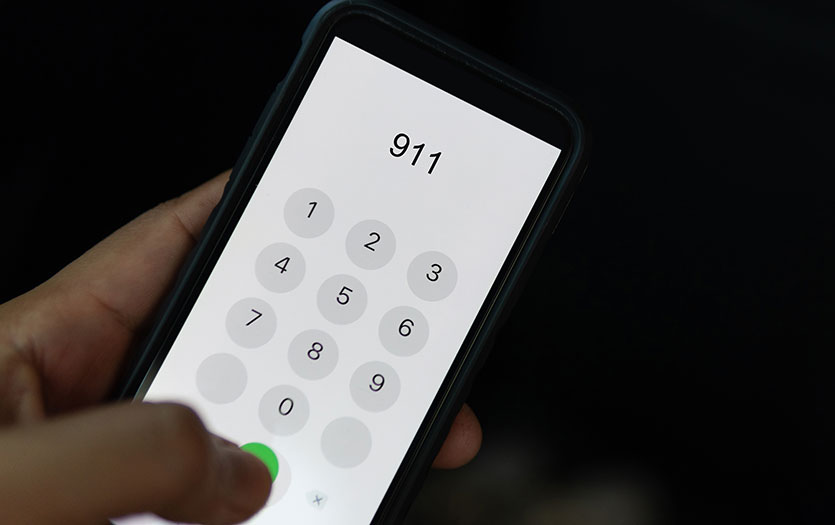
Just as important as recognizing the warning signs is knowing what happens next. When 911 is called, stroke care does not wait for hospital arrival—it begins immediately in the field.
Recognizing stroke quickly saves lives
B.E. F.A.S.T helps quickly identify stroke warning signs:
-
B – Balance: Sudden dizziness, difficulty walking or loss of coordination
-
E – Eyes: Sudden vision changes, double vision or vision loss
-
F – Face: Facial droop or uneven smile
-
A – Arm: Weakness or numbness, especially on one side
-
S – Speech: Slurred speech, difficulty speaking or confusion
-
T – Time: Time to call 911 immediately
Calling 911 activates the stroke system of care
Calling 911 does more than arrange transportation. It triggers a coordinated stroke response that links emergency medical services (EMS) with certified stroke centers.
According to AHA/ASA guidelines, EMS activation is the most effective way to reduce prehospital delays, ensure rapid assessment and improve access to time-sensitive therapies such as thrombolysis (clot-busting medication) and mechanical thrombectomy (clot retrieval). Stroke Centers are required to demonstrate formal coordination with EMS agencies, reinforcing this critical link in stroke care delivery.

What EMS does when a stroke is suspected
Once EMS arrives, paramedics trained in stroke care immediately begin assessment and stabilization with:
Rapid stroke screening
-
EMS uses B.E. F.A.S.T to identify possible stroke and assess severity.
Time and history collection
-
Paramedics determine:
-
Last known well time (the last time the patient was at their baseline)
-
Medical history (prior stroke, atrial fibrillation)
-
Current medications, especially blood thinners
-
Establishing the time of onset is essential for eligibility for reperfusion therapies
-
Immediate medical interventions
-
In the ambulance, EMS may:
-
Provide oxygen if needed
-
Check blood glucose to rule out stroke mimics
-
Establish IV access
-
Monitor heart rhythm and vital signs
-
Keep the patient NPO (no food, beverages or medication by mouth)
-
While clot-busting medications are not given prehospital, these interventions save precious minutes on hospital arrival.
The hospital is ready before arrival
One of the most important steps EMS takes is prehospital notification, also known as a “stroke alert.” EMS communicates critical information to the receiving hospital while en route, prompting activation of the stroke team and preparation of CT imaging and laboratory services.
EMS prenotification has been shown to significantly reduce time spent on imaging and potential treatment. A timely stroke team activation based on EMS communication reinforces seamless transitions of care.
The impact of certified stroke centers
Stroke certification plays a key role in regional stroke systems of care. Certification verifies that hospitals meet rigorous standards for:
-
Rapid evaluation and imaging
-
Evidence-based treatment protocols
-
EMS coordination and transfer agreements
-
Continuous performance improvement
These requirements ensure patients receive the right care at the right place at the right time.
The takeaway
B.E. F.A.S.T and call 911 every time. Stroke outcomes improve when patients and families act quickly. Recognizing the symptoms and calling emergency responders immediately:
-
Starts stroke care in the ambulance
-
Activates hospital stroke teams early
-
Increases eligibility for life-saving treatments
-
Improves survival and functional outcomes
Stroke is a medical emergency. Do not drive yourself or wait to see if symptoms improve. The fastest path to treatment begins with a phone call.