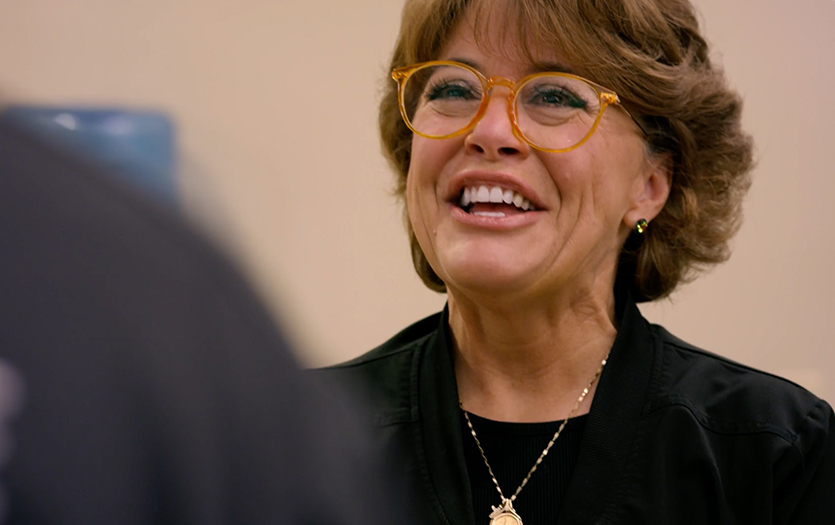
This post was written by Lisa Knox, MPH, program leader, Social Drivers of Health Program, Advance Care Planning, Parkview Health.
Imagine knowing exactly what medicine to take but not having a way to get to the pharmacy to pick it up. When most people think about healthcare, they often think about doctors’ offices, hospitals, medicine and tests. These things are all important, but they only make up part of what shapes our overall well-being and quality of life.
At Parkview, we know that health is about so much more than medicine alone; it is about everyday life. Things like where someone lives, whether they have enough food, how they get to appointments and whether they feel supported by others can all affect overall well-being in significant ways. These everyday factors are called Social Drivers of Health (SDOH).
What are SDOH?
SDOH are the non‑medical parts of life that shape our overall health and well-being. They influence whether someone can follow medical advice, recover fully or stay well over time. Common examples include:
- Having a safe and steady place to live
- Being able to access healthy food
- Having reliable transportation
- Having a job and steady income
- Being able to read and understand medical information
- Feeling connected to family, friends or community
These may not seem like “healthcare,” but they can matter just as much as a prescription or a test. When these needs are met, people heal better and stay healthier. When they are not met, health problems can be harder to manage. For example, a patient with diabetes may be committed to managing their well-being but lacks access to fresh, nutritious foods, making it harder to follow their doctor’s recommended diet.
Why SDOH matter
Research shows that medical care explains only part of why someone may be healthy or not. Experts suggest that up to 80% of health outcomes are influenced by social, economic and environmental factors. We also know that people who struggle with things like job loss, unstable housing, lack of food or loneliness are more likely to suffer from chronic or long‑term illnesses.
In 2025, the World Health Organization reported that people living in the same county can have life expectancy differences of many years based on social conditions like income, education and neighborhood safety. The message is clear: SDOH are not a “side” issue – they are a major reason why health outcomes differ from person to person.
What this can look like
These challenges can show up in life in very real ways. At Parkview, we see this every day.
- A person with asthma may struggle to manage their symptoms while facing eviction.
- A parent may wait to bring their child to the doctor because taking time off work means losing pay.
- An older adult may miss medication doses because they live alone and feel overwhelmed.
Understanding the full picture helps us provide better care. However, understanding these realities is only the first step – acting on them is what makes the difference.
How Parkview responds to SDOH
Parkview has long believed that caring for people means caring for the whole person. Today, SDOH are part of how many of our programs and services are designed.
This work includes:
- Finding needs early: Care teams are using tools to help identify social needs like food, housing or transportation challenges that might affect overall well-being.
- Designing care with real life in mind: Programs are built with an understanding that people come from different backgrounds and face different challenges.
This work is possible because teams across Parkview, both clinical and operations, bring kindness, compassion and awareness to what they do every day. This work is rooted in human connection and a shared goal to deliver excellent care to every person, every day. We strive to be “care aware,” because every small thing means everything. This work is about making care more realistic, respectful, connected and supportive.
When a care team learns someone is struggling with a SDOH-related need, such as food access, they help connect them to local resources to address those challenges. Parkview also offers an easy-to-use online tool where anyone can search for free or reduced-cost services in their community by visiting www.parkview.com/LocalResources.
My role as SDOH program leader
As Parkview’s SDOH program leader, my role is to help connect the pieces. That often means helping bridge what patients experience, what care teams see and how Parkview plans strategies to address the highest areas of need for our patient populations and their communities.
My work includes:
- Helping teams identify and respond to social needs
- Aligning efforts across Parkview around optimal well-being for everyone
- Strengthening connections with community organizations
- Using data to improve how we support patients
Just as important as strategy is listening. Listening to co-workers who see these challenges every day. And we know that by listening to patients and families, we can learn what makes health harder or easier in their lives.
How this helps patients and families
When everyday needs are noticed and understood, patients often feel more seen and respected.
This might look like:
- Helping a patient find food resources
- Sharing transportation options for doctor visits
- Creating a care plan that fits a patient’s family life, culture and budget
A note for Parkview co-workers
No matter your role at Parkview, what you do matters. Your awareness and kindness make a difference. SDOH are not owned by one job or one department – the commitment belongs to all of us.
A message for our community
To the individuals and families we serve: Parkview is here for you. If life challenges make it harder to stay healthy, you are not alone. We are continuing to learn, listen, and find better ways of understanding these challenges so we can respond with care that fits real life.
Well-being is shaped by many parts of life. Together, we can remove barriers, strengthen support and build healthier communities. one person, one connection, one conversation at a time.
Resources
The Commonwealth Fund. “Let’s Get It Right: Consistent Measurement of the Drivers of Health.” 15, Dec. 2023.
World Health Organization. World Report on Social Determinants of Health Equity (2025)