This post was written by Dr. Beau Links, PPG – Family Medicine.
If you have high blood pressure, you may wonder if you must take medications or if there’s other treatment options. Lifestyle modifications have long been recommended by providers, but specific information on lifestyle modifications, diets and their impact on your blood pressure can be difficult to find. In this article, I’ll highlight a few specific recommendations and their average effect on your blood pressure. Ultimately, these recommendations will not only reduce your blood pressure, but may also lower your weight, cholesterol, risk of cardiovascular disease, several forms of cancer, improve your sleep quality and improve your mental health.
The impact of losing weight
Being overweight or obese can be a contributing factor to elevated blood pressure. In general, blood pressure may improve 1 mm of Hg (mercury) with every 2.2 pounds of weight loss. So, if you’re 20 pounds overweight, you could expect your blood pressure to improve ~8 points if you lose that extra weight.
The impact of movement
Regular aerobic exercise can lower blood pressure by 5-8 mm Hg. Examples of aerobic exercise include brisk walking, cycling at >12 mph, swimming, stair climbing, rowing machine, basketball, soccer, tennis, singles pickleball, dancing, jazzercise, jumping rope or high intensity interval training (HIIT).
I would also recommend weight/resistance training at least twice a week. According to Dr. Zachary Mang, Phd, a strength and conditioning specialist, “Resistance training leads to muscle protein synthesis and repair, which are energy-demanding metabolic processes.” This means that your resting metabolism, the calories you’re burning at rest, may be higher and this could continue for 24+ hours after your workout.
The impact of nutrition
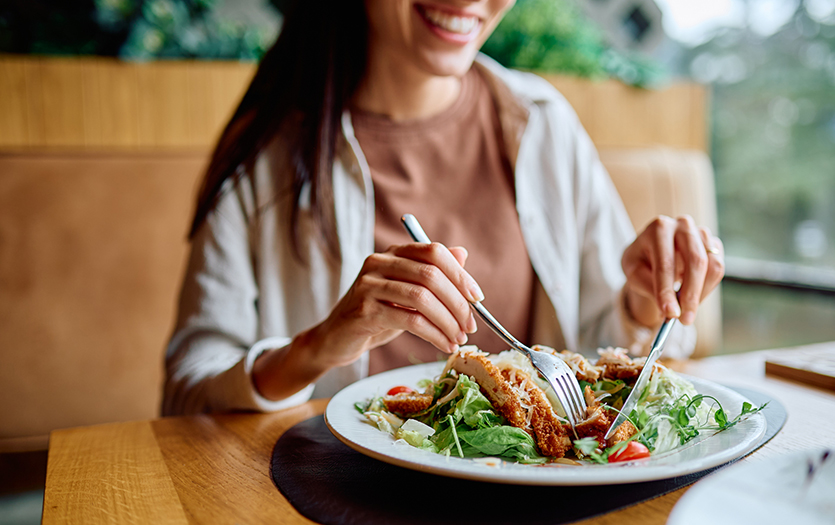
Eating a diet rich in whole grains, fruits, vegetables and low-fat dairy products, and low in saturated fat and cholesterol can lower high blood pressure by up to 11 mm Hg. Examples of eating plans that can help control blood pressure are the Dietary Approaches to Stop Hypertension (DASH) diet and the Mediterranean diet. The Blue Zone diet is also something to consider. Think of a dinner plate; half of that plate should be a rainbow of colors consisting of whole fruit and vegetables, a quarter could be protein such as peas, beans, lentils, nuts and seeds, and the remaining quarter could be whole grains like brown rice, buckwheat, quinoa, whole oats and whole grain breads.
Limiting your sodium intake to 1,500 mg a day or less may lower high blood pressure by about 5 to 6 mm Hg. Increasing your intake of potassium rich foods like spinach, Swiss chard, beet greens, kale, avocados, bananas, cantaloupe, honeydew, oranges, white beans, lentils, pinto beans, soybeans, nuts, milk, yogurt, soy milk, potatoes (baked with skin), sweet potatoes and parsnips can lessen the effects of table salt and sodium on blood pressure. Aim for 3,500 to 5,000 milligrams (mg) of potassium a day and this may lower blood pressure by 4 to 5 mm Hg.
It all adds up
If you look at these recommendations individually, you may not be impressed with their blood pressure lowering capabilities, but if you were to combine a few of these, I would expect an improvement in your blood pressure of 15-20 points, which could be the difference between starting a blood pressure medication or not (or even getting off a prescription medication you’re already on).
Most prescription blood pressure medications will reduce your systolic blood pressure by 10-12 points and diastolic 8-10 points, depending on the medication class, dose and baseline levels, but you won’t get the additional benefits of improved mood, improved sleep, lower cholesterol, and lower risk of cardiovascular disease and cancer like you would with the lifestyle modifications discussed above.
And you’re going to have to be consistent. If you want to reverse chronic diseases like hypertension, hyperlipidemia, type 2 diabetes, some forms of obstructive sleep apnea and fatty liver disease, it’s going to take consistent effort. The path to health isn’t paved but walked. Let’s get after it.