
This post was written by Dr. Mohammed Rahman, neurosurgeon, Parkview Neurosciences.
Very few things are black or white. Most are gray. In the same vein, there is a lot of misunderstanding and taboo associated with spine surgery.
Advancements
If one were to look at the latest smartphones and compare them to the phones from 20 years ago, they would see a world of difference. The vintage brick and flip phones had their place in society at a certain time, but every few years, there are both incremental and dramatic changes in technology. These advances not only make previous technology obsolete but also make us question how we even survived prior to these upgrades.
Technology and data used in medicine is exponentially more evolving and robust than a phone that comes out once a year.
Dispelling misconceptions
There are widespread myths about spine surgery, though it’s hard to tell where many of them originated. Still, it’s worth acknowledging that some of the perceptions and fears may be valid.
Myth No. 1: Spine surgery is too dangerous
There is a myth that spine surgery is extremely risky. It is true that the spinal cord and nerves are eloquent. But modern technology, like robotics and augmented reality, make surgery safer and the risks manageable. We can do a lot with a small incision. We can see more in the operating room. We can see the deeper anatomy through the skin, before even making an incision.
Myth No. 2: I will be paralyzed from spine surgery
The risk of paralysis is there but is very low for common lumbar procedures. A neurosurgeon can practice for 30 years and never once have paralysis as a complication on a patient.
Myth No. 3: I can’t be off work for 6 months
There is a myth that recovery involves months of bed rest. Since the incisions are getting smaller, minimally invasive surgery provides significantly less muscle disruption. Many patients will go home the same day after surgery and can expect to be back to work in 4-6 weeks.
Myth No. 4: I don’t want to be hooked on painkillers after spine surgery
Over the past 5-7 years, there has been increasing data and awareness of how addictive narcotics can be. Even after 2 weeks of narcotic use, someone can become dependent on these medications. Therefore, surgeons manage opioid use carefully for necessary durations.
Myth No. 5: I will need more surgery
The most common myth that is closely tied to reality is that one surgery leads to many more. It is true that some degenerative issues persist even after surgery. In a fusion surgery, one level of the spine is fused to another level with either plates or rods. The biomechanics of the spine are typically altered after a fusion surgery. The body is not designed to be rigid; we are designed to rotate, flex, extend and side-bend. Therefore, a fusion surgery should be selected only in the appropriate setting of instability and fractures.
The other factor as to why one surgery may lead to another is the patient doesn’t alter their activities or work on their core. The surgery is designed to remove the thing causing pain, not get you back to your life. The first surgery should be a wake-up call to work on one’s core. The goal is not a six-pack nor to become a fitness model. However, there should be a regular regimen of exercise and core strengthening. This preventive maintenance of one’s abdominal and spinal axis muscles will significantly lower the need for subsequent surgeries.
Final thoughts
In most cases, spine surgery should be the last resort. It should be selected when the conservative treatment options of rest, chiropractic treatment, physical therapy and epidural injections have been exhausted. In some scenarios of progressive weakness and neurological deficits, spine surgery should be the first option in order to prevent permanent disability.
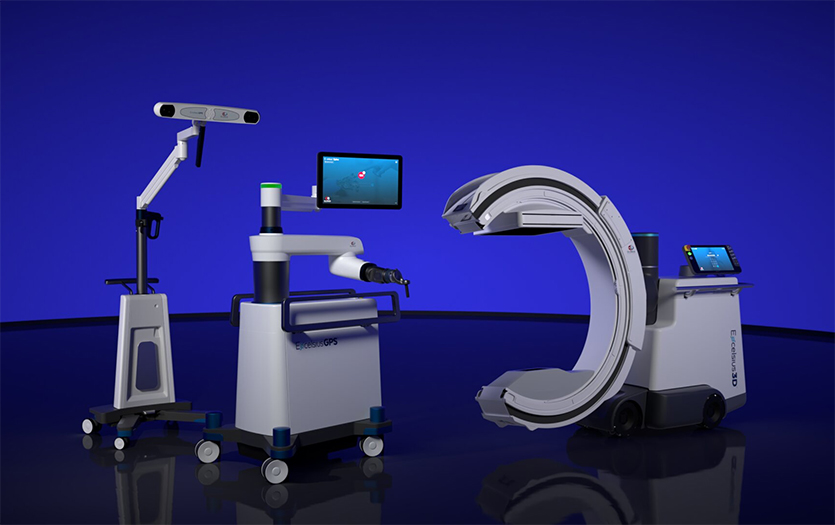
Modern neurosurgery is constantly evolving and safe. A tremendous amount of technology is utilized in each surgery, and every aspect of the patient is monitored ensuring a successful outcome and minimal complications.
If you’re interested in learning more about neurosurgery offerings and providers at Parkview, visit our website or call 260-425-6780.