This post was written by Dr. Tony GiaQuinta, medical director, pediatrics, Alliance Health Centers; and Dr. Robyn Schmucker, pediatric infectious diseases, Parkview Health.
For many years, measles felt like a disease of the past. Thanks to widespread vaccination, generations of parents and physicians rarely had to think about it. Recently, that reality has changed. On November 17, the United States lost its measles elimination status following a determination by the Pan American Health Organization (PAHO).
Local impact
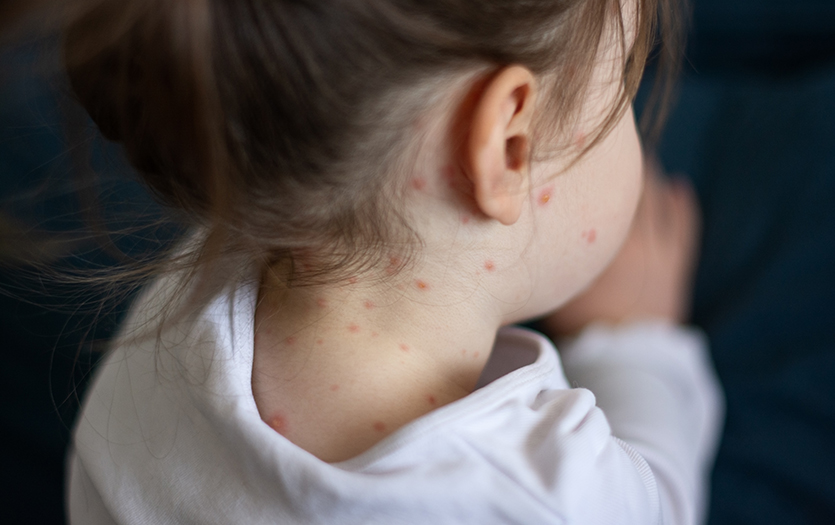
Across Indiana and Ohio, measles is spreading, and at the Parkview Women’s and Children’s Hospital, we are witnessing the consequences firsthand. What began as a handful of reported cases has grown into a significant outbreak. We are now admitting children with measles-related complications nearly every day.
One fact stands out above all others: every child requiring hospitalization for severe measles complications during this outbreak has been unvaccinated.
As pediatric physicians, we want our community to understand what is happening, why it’s happening and what can be done to protect our children.
Measles is not a routine childhood illness, but it is one of the most contagious viruses known to medicine. An infected person can spread the virus simply by breathing, coughing or sneezing. The virus can remain in the air for hours, making exposure difficult to avoid in schools, childcare settings, healthcare environments and public spaces. If exposed, up to 90% of people who are not immune can become infected.
While many children recover from measles, the disease can lead to serious complications including:
- pneumonia
- dehydration
- encephalitis (brain inflammation)
- respiratory failure
Infants, young children, pregnant women and individuals with weakened immune systems are at particularly high risk. These outcomes are not theoretical. They are affecting kids in our own backyard right now.
Protective measures
This outbreak is particularly troubling because some of those at greatest risk are too young to benefit from routine vaccination. Infants typically do not receive their first measles, mumps and rubella (MMR) vaccine until 12 months of age and must rely on community immunity for protection during their first year of life.
The resurgence of measles did not happen overnight. Childhood vaccination rates have gradually declined in many communities over recent years. Unfortunately, when vaccination rates fall, opportunities for outbreaks rise.
The encouraging news is that we already have a highly effective tool to prevent severe illness and limit transmission. Two doses of the MMR vaccine provide approximately 97% protection against measles, with decades of research consistently demonstrating the vaccine's safety.
We recognize that some parents have questions or concerns about vaccines. We see misinformation continuing to circulate online and create confusion. As physicians, we welcome the opportunity to discuss concerns openly and honestly. At a time when clear, accurate information is critically important, we urge families to seek guidance from trusted health professionals and evidence-based medical sources.
Closing remarks
This outbreak serves as a reminder that the success of vaccination programs can sometimes make us forget how dangerous these diseases once were. Most people today have never seen a child hospitalized because of measles. We have.
That is why we are asking families to take a few simple steps:
- Review your family's vaccination records. You can find your immunization history in MyChart by navigating to My Records from the main menu and choosing Immunizations, or through the Indiana Department of Health (IDOH) portal, MyVaxIndiana.
- Speak with your pediatrician or family physician if you have questions. If you need help scheduling an appointment or establishing care with a provider, our Access Center can help. Call any time at 877-PPG-TODAY or 877-774-8632 for assistance.
- If you believe your child has been exposed to measles or is experiencing symptoms, call your provider before visiting a clinic or emergency department so appropriate precautions can be taken to limit further spread.
By ensuring children are vaccinated and seeking trusted medical guidance when questions arise, we can help protect those who are most vulnerable and limit the impact of this outbreak.


