
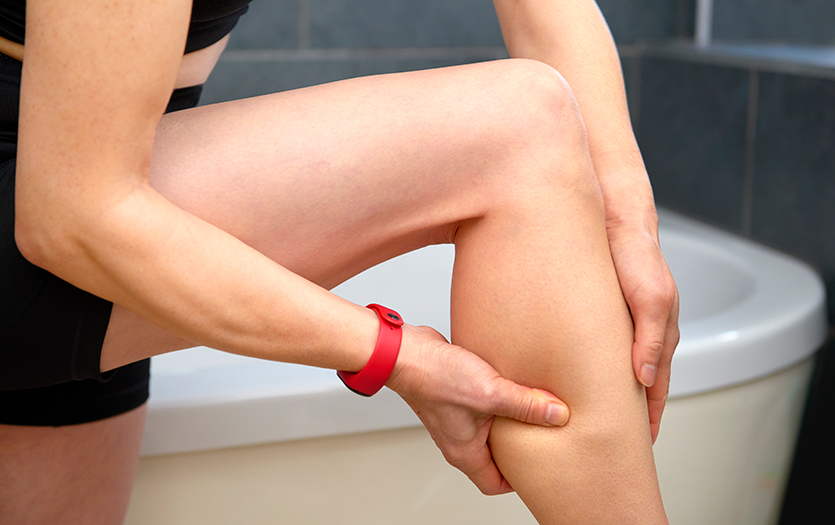
This post was written by Dr. Alexander Robitaille, PPG – Physical Medicine & Rehabilitation.
Spasticity is a complication that can follow damage to the brain or spinal cord. Damage to these nervous system structures leads to a loss of control of some reflexes and muscle movement. Some conditions that could lead to the development of spasticity include:
- Stroke
- Traumatic brain injury
- Spinal cord injury
- Cerebral palsy
- Multiple sclerosis
As a result, people with spasticity will experience symptoms of:
- Muscle spasms
- Cramping
- Uncontrolled movements
- Pain in muscles and joints
- Getting “stuck” in specific positions
Spasticity can interfere with everyday activities such as dressing, hygiene, eating and walking. If spasticity is left untreated for long periods of time, then the muscles can become scarred, and a joint will become stuck in a position. This is called a contracture.
Causes of spasticity
Despite doing all the right things to treat muscle spasticity, people can experience times when their spasticity gets worse or changes. Sometimes worsening spasticity can be an important indicator of a serious medical condition that may need to be treated. Here are some common factors that can worsen spasticity:
- Infections
- Urinary tract infections (UTIs)
- Respiratory infections (cold, flu, pneumonia)
- Skin infections
- Pain or physical irritation
- Ingrown toenails
- Tight clothing or braces
- Pressure sores
- Constipation
- Hemorrhoids
- Musculoskeletal pain (arthritis, rotator cuff tears)
- Stress and anxiety
- Fatigue or poor sleep
- Sudden temperature changes
- Cold temperatures often worsen tightness.
- Excessive heat can also increase fatigue and exacerbate symptoms.
- Dehydration
- Medication issues
- Missed doses of antispasticity meds
- Interactions with new medications
- Worsening symptoms if a medication is wearing off (botulinum toxin effect wearing off)
- Poor positioning or limited mobility
- Sitting for long periods without stretching
- Incorrect wheelchair or bed positioning
- Lack of regular stretching or movement
- Hormonal or physiological changes
- Before menstruation
- With pregnancy
- With blood sugar fluctuations
- Alcohol withdrawal or excessive caffeine
- Both can increase excitability of the nervous system
Parkview offers several options for treatment of spasticity. You can schedule an appointment with PPG-PM&R to discuss some options including different kinds of injections.
Reference