This post was written by Bailey Kruse, PharmD, Parkview Health.
Medication Safety Week is April 1-7, and it’s the perfect time to take a fresh look at your medicine cabinet. Here are a few tips from a pharmacist to help you get started.
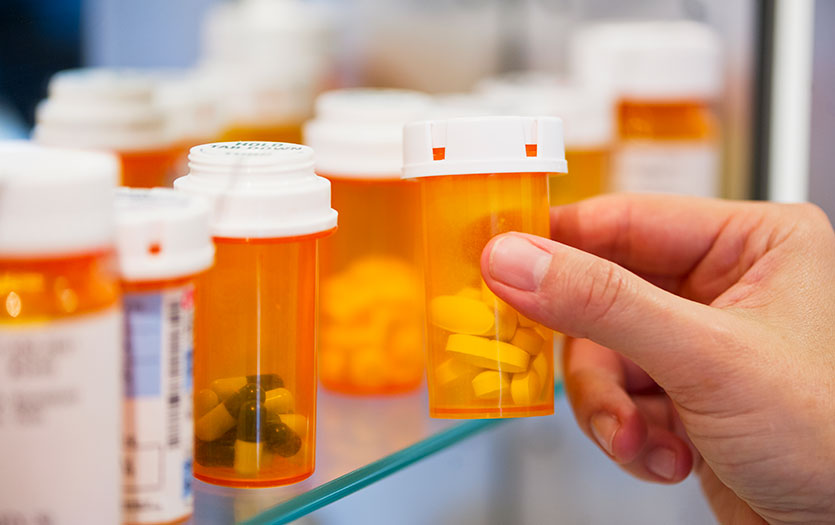
Chances are, you have some medications tucked away in a cabinet that you have stored there for years. It could be leftover antibiotics from a past infection, pain medications taken for only a few days, or cough syrup for a cold months ago. Over time, these medications can pile up, making people wonder what to do with them. Taking the time to clean out your medicine cabinet can help improve safety, prevent medication mix-ups and ensure the medications actually work when you need them.
Understanding expiration dates and their importance
Every medication has an expiration date printed on the package. This date tells you when the manufacturer can promise the medicine will work well and remain safe as long as it is stored correctly.
After that date, the medication may not work as well. This is especially important for medications that must work quickly, like an EpiPen® for allergic reactions or nitroglycerin for chest pain. Keeping expired medications on hand can also pose a safety risk. If not stored securely, children or pets could get into these medications, which could be harmful to them.
How to refresh your medicine cabinet
If you’ve decided to clean your medicine cabinet, these steps can help you get started:
First, remove all products and check their expiration dates. If the product is past its expiration date, set it aside. For products that have not expired, consider if they are still needed. If these are prescribed by a doctor, it is important to talk to them if you are unsure if you still need to take a medication. If you have over-the-counter products that are no longer needed, you can set them aside as well.
For the products you plan to keep, make sure they are stored the right way. Look at the products closely to make sure they do not look different from what they should. Do not keep medications if they appear contaminated, discolored or damaged.
Store medications in an area where children or pets cannot reach them. They should also be kept in an area where they will not be exposed to extreme heat or humidity, as this could damage medications.
How to dispose of expired medications
If medications are not disposed of correctly, they could harm the environment or put others at risk of exposure. It is important to know the best practices for getting rid of old medications.
The Indiana Department of Health and Department of Environmental Management provide helpful information for local drug disposal. These organizations often sponsor events in the community where you can bring in medications and other hazardous materials for disposal. Check if your local pharmacies offer drop-off services as well.
The Drug Enforcement Administration (DEA) also has a tool to search for drop-off locations nationwide. In fact, one of the twice-a-year national Drug Takeback Days is upcoming on Saturday, April 25. Visit their website here for a drop-off site near you.
If you cannot go to a drop-off location, disposing of medications at home is also an option, as long as you take some extra steps. You should remove medications from their original packaging and mix them with used coffee grounds, cat litter or dirt. This prevents children or pets from getting into them. The mixture can be put into a container or sealed bag and thrown into the trash. Remember to scratch out or cover any personal information that could still be on the prescription bottles before throwing them away.
Certain high-risk medications, like opiates and controlled substances, should not be thrown into the regular trash. Instead, they should be flushed down the toilet. Find a list of these medications on the U.S. Food and Drug Administration’s website here.
If you are unsure how to properly dispose of your medications, talk to a pharmacist or healthcare provider for help.